
Mold Testing in Neshaminy, PA

Know What's Growing Before It Gets Worse

Get lab-tested results that tell you exactly what mold you’re dealing with and how serious the problem is.

Hear from Our Customers

Professional Mold Testing Near You

Stop Guessing and Start Protecting Your Home

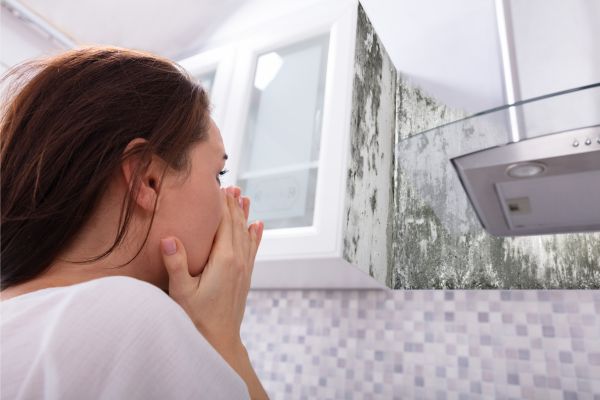
You’ve noticed the smell. Maybe you’ve seen discoloration on the walls or ceiling. Or maybe someone in your house has been coughing more than usual, and you can’t figure out why.

Here’s what happens when you get professional mold testing. First, you stop wondering if there’s a problem. You get real answers from a certified lab that identifies the type of mold and how much of it is in your air. That matters because not all mold is the same, and knowing what you’re dealing with changes how you handle it.

Second, you catch it before it spreads. Mold doesn’t take breaks. It grows behind walls, under floors, and inside your HVAC system where you can’t see it. By the time most people notice visible growth, the problem’s already bigger than they think. Testing finds it early, which means less damage to your home and a smaller bill to fix it.

Third, you protect the people living there. If someone in your house has allergies, asthma, or a weaker immune system, mold exposure can make things worse fast. Testing gives you the information you need to make your home safer.

Mold Testing Company in Neshaminy

We Test Homes in Neshaminy Every Week

We’ve been helping homeowners in Bucks County figure out what’s growing in their homes for years. We’re not a national franchise that shows up once and disappears. We’re local, and we’ve seen what Pennsylvania’s climate does to homes here.

Neshaminy gets its share of rain and humidity, especially in spring and summer. That moisture finds its way into basements, crawl spaces, and attics. When it does, mold follows. We’ve tested hundreds of homes in this area, and we know where to look and what to test for.

When you call us, you’re working with certified inspectors who use thermal imaging and moisture mapping to find problems you can’t see. Then we send samples to a lab that tells us exactly what’s in your home. No guessing. No upselling. Just clear information so you can decide what to do next.

How Mold Testing Works

Here's What Happens During Your Inspection

First, we walk through your home and talk about what you’ve noticed. Smells, stains, water damage, health symptoms—anything that made you pick up the phone. That conversation helps us know where to focus.

Next, we inspect the property. We’re looking at visible signs of mold, but we’re also using tools like thermal cameras to detect moisture behind walls and in ceilings. Moisture is where mold grows, so finding it early tells us where problems are starting or likely to start.

Then we collect samples. Depending on what we find, that might mean air samples, surface samples, or both. Air testing shows what’s floating around that you’re breathing in. Surface testing identifies what’s growing on walls, floors, or other materials. We send those samples to a certified lab for analysis.

Within a few days, you get a detailed report. It tells you what types of mold are present, the concentration levels, and whether they’re a health concern. If there’s a problem, we explain what it means and what your options are. If you need remediation, we can handle that too. If the issue is minor and you want to tackle it yourself, we’ll tell you that as well.

The whole process is straightforward. No pressure. No surprises. Just clear answers about what’s happening in your home.

Ready to get started?

Explore More Services

About Mack's Mold Removal

Residential Mold Testing Services

What's Included in Your Mold Inspection

When we test your home, you’re getting more than someone walking around with a flashlight. You’re getting a certified inspection that uses advanced technology to find problems before they become expensive.

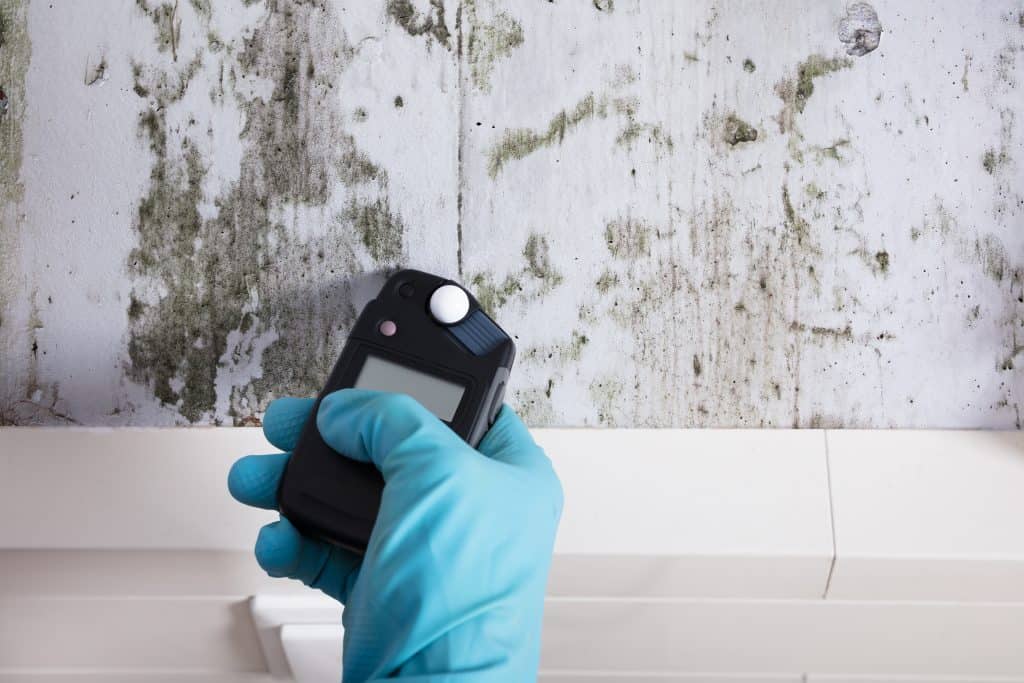
We use thermal imaging to detect temperature differences in your walls and ceilings. Cold spots often mean moisture, and moisture means mold is either there or on its way. We also use moisture meters to measure humidity levels in building materials. That tells us if conditions are right for mold growth even if we don’t see visible signs yet.

Air quality testing is a big part of what we do. Mold spores are microscopic, and they’re in the air you breathe. We collect air samples from different areas of your home and send them to a lab that identifies the types and concentrations. That’s important because some molds are more harmful than others, and knowing what’s in your air helps you understand the risk.

In Neshaminy and the rest of Bucks County, we see a lot of basement mold because of how homes are built here and how much rain we get. Pennsylvania’s precipitation has increased by 5% to 10% in recent years, and that extra moisture ends up in crawl spaces, around foundations, and in poorly ventilated areas. If your home was built before modern waterproofing standards, you’re even more likely to have issues.

After testing, you get a full report with lab results and our recommendations. If remediation is needed, we’ll walk you through what that looks like and how much it costs. If you’re buying or selling a home, we can provide documentation for real estate transactions or insurance claims.

How much does mold testing cost in Neshaminy?

The cost depends on the size of your home and how many samples we need to collect. Most residential mold inspections in Neshaminy range from a few hundred dollars to around $600 or $700 for larger homes or more complex testing.

Air sampling costs more than visual inspections because lab analysis is involved. If we’re testing multiple rooms or need both air and surface samples, that adds to the total. But here’s the thing: testing almost always costs less than fixing a mold problem that’s been growing for months because no one caught it early.

We offer free inspections to assess your situation. During that visit, we’ll tell you what testing makes sense for your home and give you a clear price before we do anything. No hidden fees. No surprises.

The inspection itself usually takes one to two hours depending on the size of your home and what we find. We’re thorough, but we’re not going to waste your time.

After we collect samples, it takes a few days to get lab results back. Most labs turn around results in three to five business days. Once we have the report, we’ll call you to go over what it says and what it means for your home.

If you’re in a time crunch—maybe you’re closing on a house or dealing with a health issue—let us know. We can often prioritize lab processing or schedule inspections quickly. We’re available 24/7 for urgent situations.

You can, but those kits don’t give you the full picture. Most over-the-counter mold tests only tell you if mold is present, not what type it is or how much of it you’re dealing with. That’s a problem because the type of mold and the concentration levels determine whether it’s a health risk and how you should handle it.

DIY kits also don’t help you find hidden mold. They test the air or a surface you swab, but they won’t detect mold growing inside your walls, under your floors, or in your HVAC system. Professional testing uses thermal imaging and moisture mapping to find problems you can’t see.

If you’re trying to save money, we get it. But if someone in your home is having health issues, or if you’re buying or selling property, a professional inspection is worth the cost. You’ll get accurate results and a clear plan instead of guessing based on a kit that might miss the real problem.

The most common molds we find in Bucks County homes are Cladosporium, Penicillium, Aspergillus, and Stachybotrys (black mold). Each one grows in different conditions and affects people differently.

Cladosporium usually shows up in damp areas like bathrooms and basements. It’s one of the most common indoor molds and can trigger allergies and asthma. Penicillium grows on water-damaged materials like drywall, carpets, and insulation. It spreads fast and can cause respiratory problems.

Aspergillus is another frequent one. It thrives in humid environments and can be dangerous for people with weakened immune systems. Stachybotrys—black mold—is the one most people worry about. It grows on materials that stay wet for a long time, like drywall or wood. It produces toxins that can cause serious health issues, especially for kids and older adults.

Pennsylvania’s climate makes mold growth more likely. We get plenty of rain, and homes here deal with humidity in basements and crawl spaces. If your home has had any water damage, leaks, or flooding, the risk goes up. Testing identifies which molds are present so you know what you’re dealing with and how to handle it.

If you can see mold, you know you have a problem. But testing still helps because it tells you what kind of mold it is and whether there’s more growing where you can’t see it.

Visible mold is usually just part of the issue. Mold spreads through spores that travel through the air and land on other surfaces. By the time you see growth on a wall or ceiling, spores have likely spread to other areas of your home. Air testing shows how much mold is in your indoor air and whether it’s affecting rooms that look clean.

Testing also helps if you’re dealing with insurance or selling your home. Insurance companies often require lab results before they’ll cover remediation costs. Buyers want documentation that shows what the problem is and that it’s been properly handled. A professional mold test gives you that proof.

Even if you’re planning to remove the mold yourself, testing helps you understand the scope. If it’s a small patch of surface mold, you might be able to handle it. If it’s black mold or it’s spread into your HVAC system, you’ll want professional remediation. Testing gives you the information to make that call.

Yes. That’s exactly what it’s for. Mold testing measures the types and concentrations of mold in your home and compares them to safe levels. The lab report will tell you if the levels are normal, elevated, or dangerous.

Normal levels mean mold spores are present but not at concentrations that pose a health risk. Elevated levels mean there’s active growth somewhere, and you should address it before it gets worse. Dangerous levels mean immediate action is needed, especially if anyone in your home has allergies, asthma, or a compromised immune system.

The report also identifies specific molds. Some are more harmful than others. Black mold, for example, produces mycotoxins that can cause serious health problems. Other molds are less toxic but still trigger allergic reactions or respiratory issues. Knowing what’s in your home helps you understand the risk and decide what to do next.

If the test shows a problem, we’ll explain what remediation looks like and how to prevent mold from coming back. If the test comes back clean, you’ll have peace of mind that your home is safe. Either way, you’re not guessing anymore.

Other Services we provide in Neshaminy